
💬 Introduction
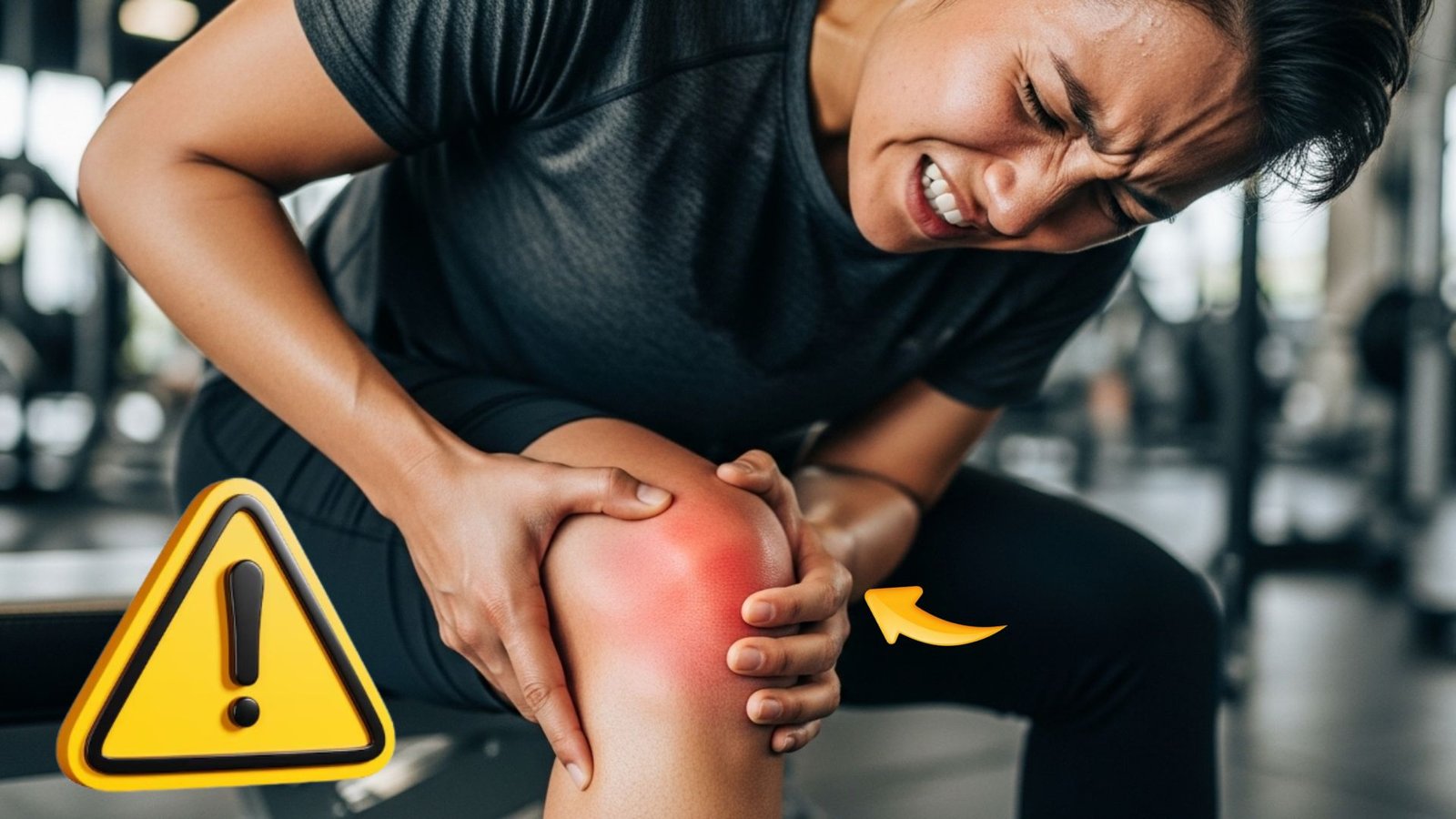
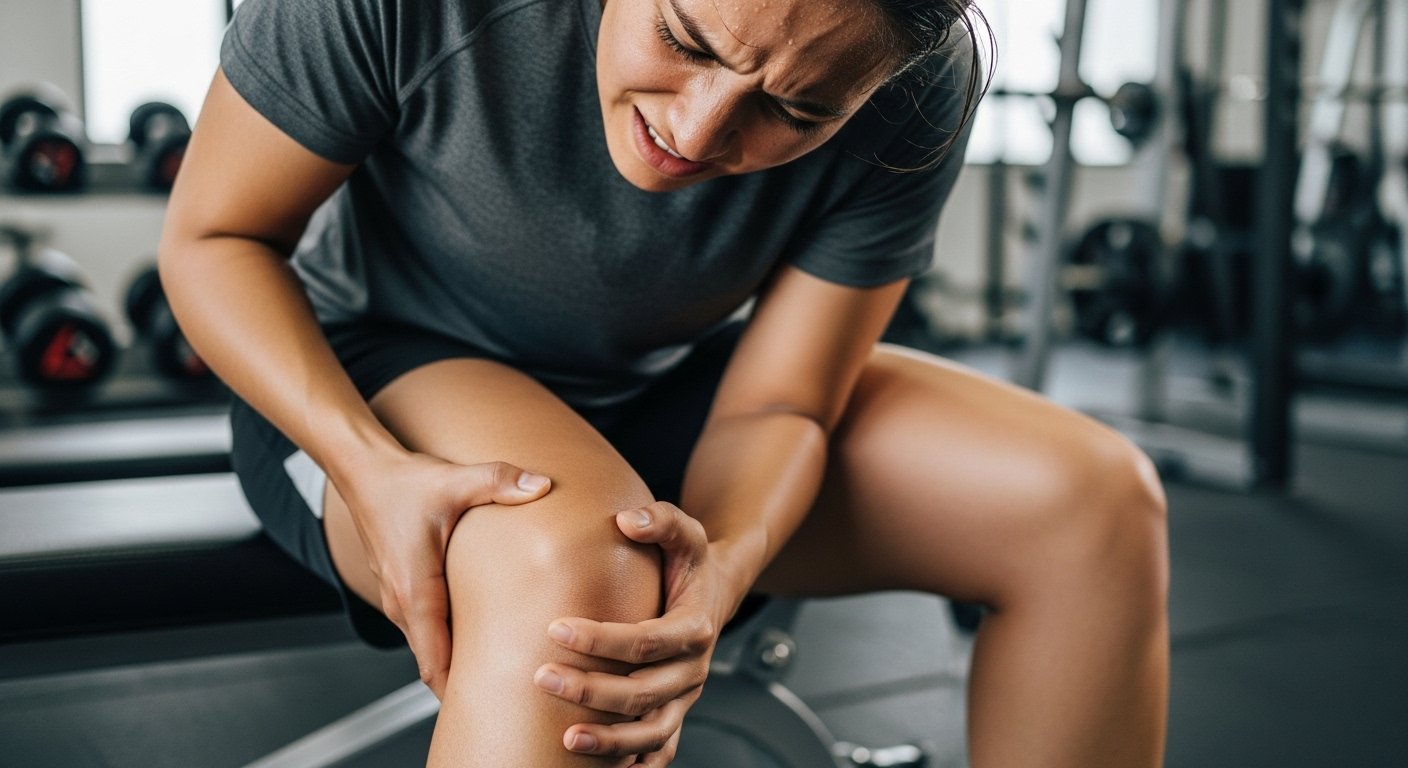
Feeling joint pain after exercise can be frustrating — especially when you’re doing your best to stay active and healthy. Whether it’s sore knees after running, stiff shoulders from weightlifting, or aching hips after yoga, that uncomfortable joint pain after exercise is your body’s way of saying: “I need recovery.”
The good news? You don’t need to stop working out — or rely on painkillers. With the right recovery techniques, nutrition, and small adjustments in your training routine, you can eliminate joint pain after exercise, restore mobility, and keep your workouts pain-free and productive.
🧠 Why Does Joint Pain After Exercise Happen?
Joint pain after working out usually happens when there’s inflammation, poor movement mechanics, or lack of recovery. The joints — like your knees, hips, and shoulders — absorb impact and stabilize your body through every motion. When they’re overworked, misaligned, or not supported by strong muscles, pain starts to show.
Main causes of joint pain after exercise:
-
Overtraining or repetitive movements
-
Poor form or alignment during workouts
-
Weak stabilizing muscles (core, glutes, shoulders)
-
Insufficient warm-up or cool-down
-
Dehydration or low joint lubrication
-
Inflammation due to poor diet or sleep
👉 Understanding why you experience joint pain after exercise helps you fix the root cause — not just mask the symptoms.

🩺 7 Proven Ways to Get Rid of Joint Pain After Exercise
1. 🧘 Prioritize Proper Warm-Up and Cool-Down
A solid warm-up increases circulation and joint lubrication — preventing stiffness and micro-injuries.
Before each workout, spend at least 7–10 minutes on dynamic movements like leg swings, arm circles, and light cardio.
After training, cool down with gentle stretches for the muscles that support your painful joints.
This simple habit can reduce joint pain after exercise by up to 40%.
2. 💦 Stay Hydrated and Support Joint Lubrication
Water is essential for cartilage health and joint flexibility.
Even mild dehydration increases friction in the joints, leading to soreness and stiffness after training.
💡 Pro tip: Drink at least 2–3 liters of water daily and include electrolytes (like magnesium and potassium) to improve recovery and reduce joint inflammation.
3. 🥦 Eat Anti-Inflammatory Foods
Your diet can either heal or hurt your joints.
Foods high in antioxidants and omega-3s help reduce inflammation that causes joint pain after exercise.
✅ Best anti-inflammatory foods:
-
Fatty fish (salmon, sardines, tuna)
-
Olive oil and avocado
-
Berries, oranges, and pineapple
-
Turmeric and ginger
-
Walnuts and flaxseeds
🚫 Avoid: processed sugar, fried foods, and excess alcohol — all of which trigger inflammation.

4. 🧊 Use Heat and Cold Therapy
Ice and heat are powerful, drug-free tools to relieve joint pain after exercise.
-
Ice packs (15–20 minutes) reduce inflammation immediately after workouts.
-
Heat pads improve circulation and muscle relaxation 24 hours later.
Alternate both for best results — especially for chronic knee or shoulder pain.
5. 🏋️ Strengthen the Muscles That Support Your Joints
Weak muscles = overloaded joints.
Building strength around the affected area provides better stability and less stress on your ligaments and cartilage.
Try these exercises (low impact):
-
Glute bridges (for hips and knees)
-
Core planks (for back and shoulders)
-
Bodyweight squats or step-ups
-
Resistance band work for shoulders
Perform them 3 times per week to build endurance and eliminate recurring joint pain after exercise.
6. 💤 Prioritize Rest and Active Recovery
Your joints heal between workouts — not during.
Skipping rest days can lead to chronic pain or injury.
✔️ Alternate high-impact with low-impact sessions (like swimming or cycling).
✔️ Try yoga or stretching routines to keep mobility high.
✔️ Get 7–9 hours of sleep for hormone balance and tissue repair.
If you always wake up sore or stiff, your body is asking for recovery, not more reps.
7. 💊 Natural Supplements for Joint Health
When used correctly, natural supplements can accelerate recovery and prevent long-term joint damage.
Top science-backed supplements to relieve joint pain after exercise:
-
Collagen peptides – repair cartilage and strengthen connective tissue.
-
Glucosamine + Chondroitin – reduce inflammation and increase flexibility.
-
Turmeric (Curcumin) – fights oxidative stress and joint swelling.
-
Omega-3 fatty acids – lubricate joints naturally.
💚 Combine these with healthy food and hydration for maximum impact.
⚠️ When to See a Doctor
Most joint pain after exercise improves within a few days of rest and proper care.
However, if you experience:
-
Sharp or worsening pain
-
Swelling, redness, or heat in the joint
-
Pain that limits movement for over 7 days
👉 Seek medical evaluation. It could indicate injury or chronic inflammation.
🧩 Bonus: Your 7-Day Joint Recovery Plan
| Day | Focus | Action |
|---|---|---|
| 1 | Mobility | 10-min dynamic warm-up + ice therapy |
| 2 | Nutrition | Eat omega-3 foods + hydrate well |
| 3 | Strength | Core + glute activation exercises |
| 4 | Recovery | Gentle yoga + turmeric tea |
| 5 | Strength | Resistance band training |
| 6 | Rest | 8 hours of sleep + light walking |
| 7 | Balance | Full-body stretch + reflection |
Consistency is the secret. Within one week, you’ll feel your joint pain after exercise decrease — and your flexibility return.
🧠 Expert Tips to Prevent Joint Pain in the Future
-
Always increase training intensity gradually.
-
Replace worn-out shoes every 500–700 km of use.
-
Maintain proper posture — keep your spine neutral during lifting.
-
Incorporate mobility work 3x per week.
-
Manage stress — cortisol increases inflammation in joints.
Small daily actions make a massive difference in how your joints feel and perform.
🌟 Conclusion — Take Control of Your Joint Health Today
Eliminating joint pain after exercise is not about stopping what you love — it’s about training smarter.
Your joints can heal, strengthen, and stay flexible for life if you give them the right support.
Start today:
✅ Warm up before training.
✅ Eat anti-inflammatory foods.
✅ Stay hydrated.
✅ Rest and recover properly.
With just a few lifestyle adjustments, you’ll not only get rid of joint pain after exercise — you’ll move, train, and live with more confidence, strength, and energy every single day.
👉 Your next workout doesn’t have to hurt. Take care of your joints now — and your body will thank you for years to come. 💪