
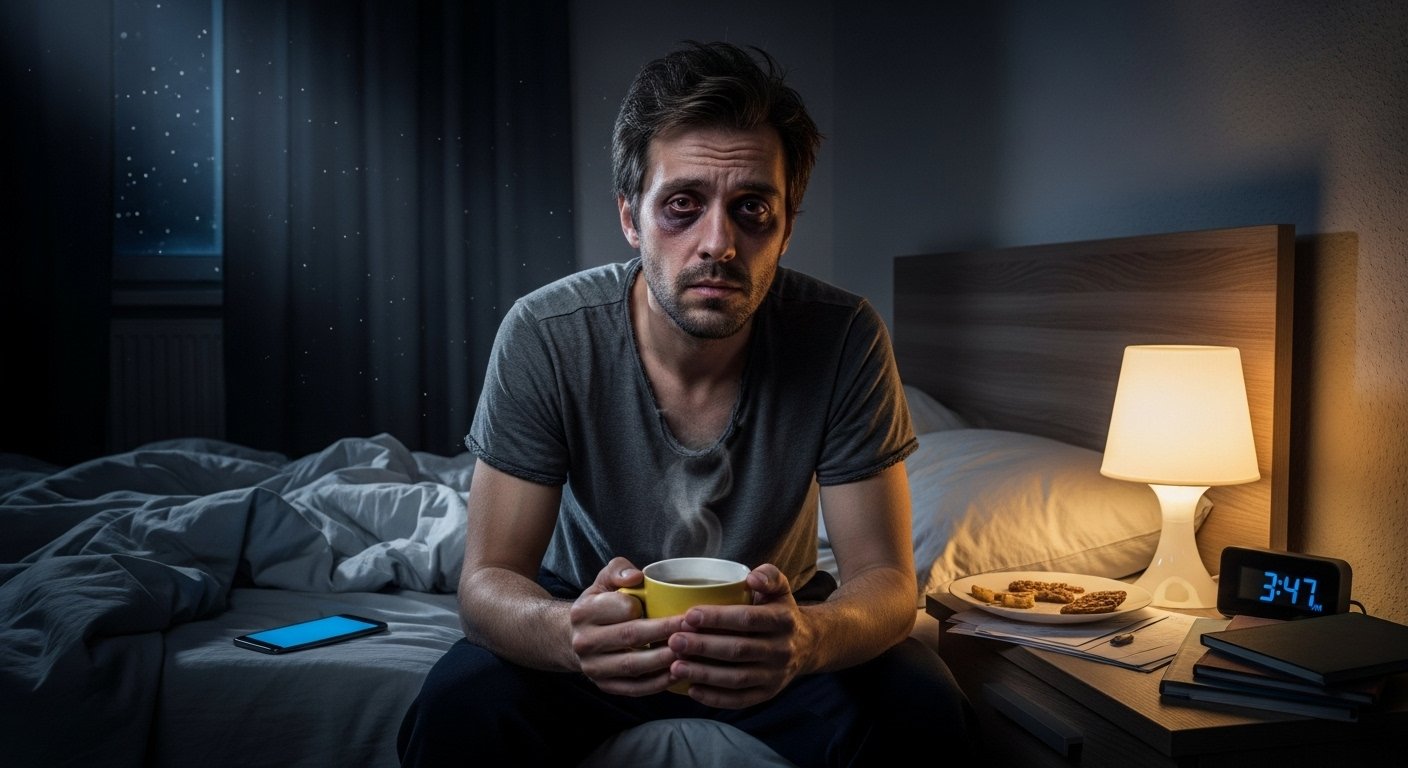
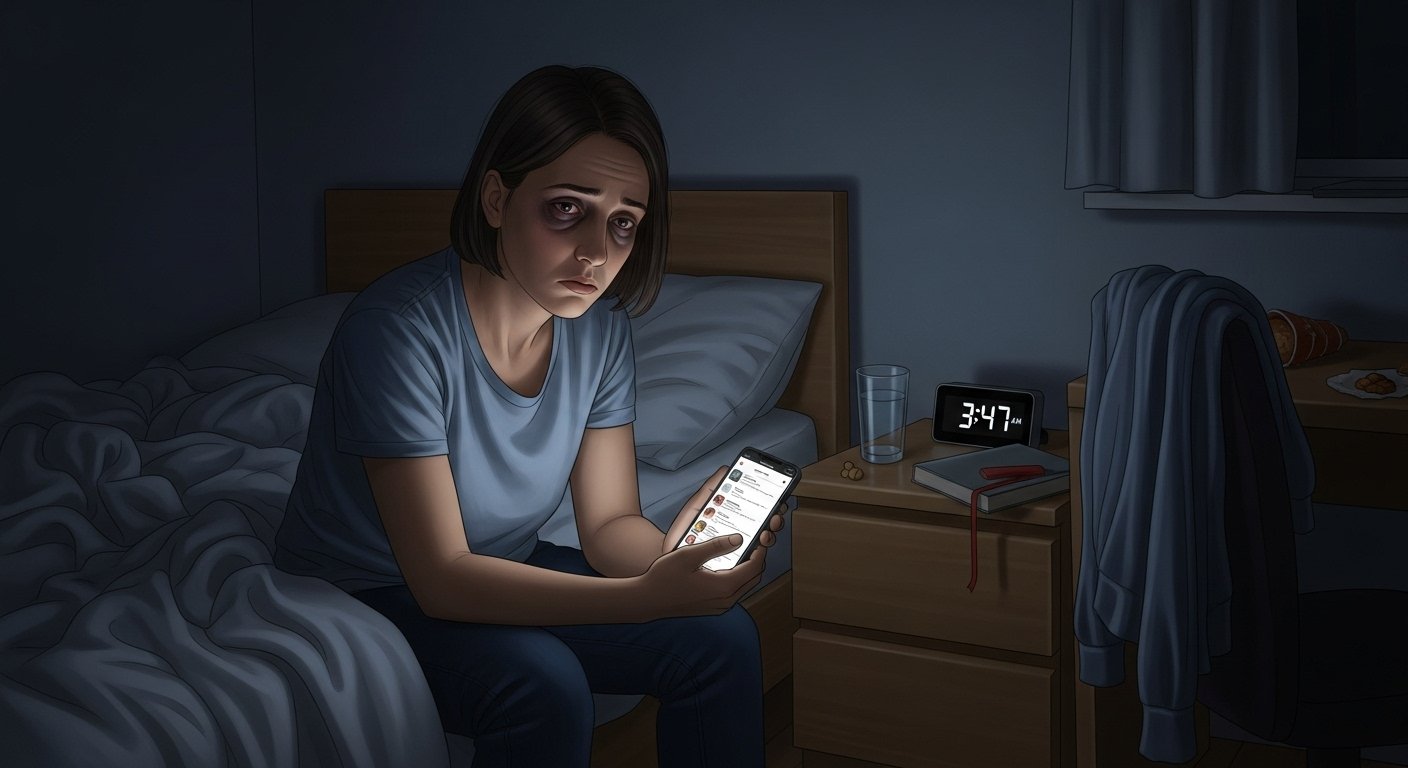
You lie in bed exhausted, eyes wide open, replaying the day’s worries in your mind. The more you try to sleep, the more awake you feel. If this sounds familiar, you’re not alone — millions of people struggle with insomnia caused by anxiety every single night.
The truth is: anxiety and insomnia are deeply connected. When your mind can’t rest, your body can’t either. But the good news? You can learn how to stop anxiety-related insomnia naturally — without pills, without side effects, and without depending on sleep aids.
In this guide, we’ll explore proven natural strategies to calm your mind, balance your nervous system, and finally enjoy the deep, refreshing sleep you deserve.
💭 Why Anxiety Causes Insomnia
When anxiety hits, your brain releases stress hormones like cortisol and adrenaline — the same chemicals that prepare your body for “fight or flight.”
That’s great if you’re in danger, but at night, it becomes your biggest enemy.
Your heart rate rises, your thoughts race, and your muscles stay tense.
This combination makes it almost impossible to fall asleep — and the longer it lasts, the more your brain associates bedtime with stress.
That’s why learning how to stop anxiety-related insomnia is essential — not only for better sleep, but for your mental and physical health.
🧘♀️ 7 Proven Strategies to Stop Anxiety-Related Insomnia
1. 🌿 Create a Calming Night Routine
Your brain needs a clear signal that it’s time to slow down.
Start a “wind-down ritual” 30–60 minutes before bed.
Dim the lights, play soft music, take a warm shower, or read something relaxing.
Avoid screens — the blue light from your phone tricks your brain into thinking it’s daytime.
Tip: Try journaling your thoughts before bed. Writing down your worries tells your mind, “I’ve dealt with this; I can rest now.”
2. 🌬️ Practice Deep Breathing Before Sleep
If your mind won’t stop racing, focus on your breath — it’s the fastest way to calm anxiety naturally.
Try the 4-7-8 Technique:
-
Inhale through your nose for 4 seconds
-
Hold your breath for 7 seconds
-
Exhale slowly through your mouth for 8 seconds
Repeat 4–5 times. This activates the parasympathetic nervous system, helping you relax and prepare for deep sleep.
Breathing is one of the most powerful tools for anyone learning how to stop anxiety-related insomnia — because it directly signals your body that you are safe.
3. ☕ Limit Caffeine and Sugar
Caffeine and sugar keep your nervous system stimulated long after you’ve consumed them.
Even that “harmless” afternoon coffee can cause anxiety-related insomnia hours later.
Replace coffee with chamomile tea, lemon balm, or passionflower tea — all known for their calming, sleep-inducing effects.

4. 🛏️ Optimize Your Sleep Environment
Your room should feel like a sanctuary.
Cool temperature (around 20°C / 68°F), total darkness, and quietness make a huge difference.
Use blackout curtains, turn off devices, and add a drop of lavender essential oil to your pillow.
Lavender has been shown in studies to reduce anxiety and improve sleep quality.
5. 🧠 Retrain Your Mind with Relaxation Techniques
When you’re anxious, your thoughts can spiral.
Break this pattern with relaxation techniques such as:
-
Progressive muscle relaxation: tense and release each muscle group.
-
Guided meditation: listen to a calming voice leading you through peaceful imagery.
-
Mindfulness: focus on your breathing, sensations, and present moment.
These methods help reprogram your brain to associate bedtime with peace — not pressure.
6. 🚶♀️ Stay Active During the Day
Movement is medicine.
Regular exercise reduces stress hormones and increases serotonin, a natural mood stabilizer.
Even 20–30 minutes of walking, yoga, or stretching can dramatically improve how you sleep.
Just avoid intense workouts right before bed — they can have the opposite effect.
7. 🌅 Keep a Consistent Sleep Schedule
Go to bed and wake up at the same time every day — even on weekends.
This trains your circadian rhythm, making it easier to fall asleep naturally.
If you can’t sleep within 20 minutes, get up, stretch, or read something calming. Forcing yourself to lie awake only builds frustration.
Remember: routine builds rhythm — and rhythm restores rest.
⚠️ When to Seek Professional Help
If you’ve tried these techniques for several weeks and still struggle to sleep, it might be time to talk to a specialist.
Chronic insomnia may require cognitive-behavioral therapy (CBT), which helps retrain how your mind and body respond to stress and sleep.
You’re not alone — and help is available.
🌙 Final Thoughts — Peaceful Nights Start with a Calm Mind
Anxiety-related insomnia is not a life sentence.
By following these natural steps, you can retrain your brain, restore calm, and finally experience deep, restful sleep again.
Start tonight:
✅ Turn off your phone early.
✅ Breathe deeply for five minutes.
✅ Focus on relaxing your body — not “forcing” sleep.
Every night is a new chance to reset. The more consistent you are, the faster your body learns to trust that bedtime means peace — not panic.
👉 Take the first step now — calm your mind, slow your breath, and let sleep find you naturally. You deserve rest, peace, and healing. 🌙💤